Winter Roofing Problems in Tennessee: How To Avoid & Manage
October 21, 2026
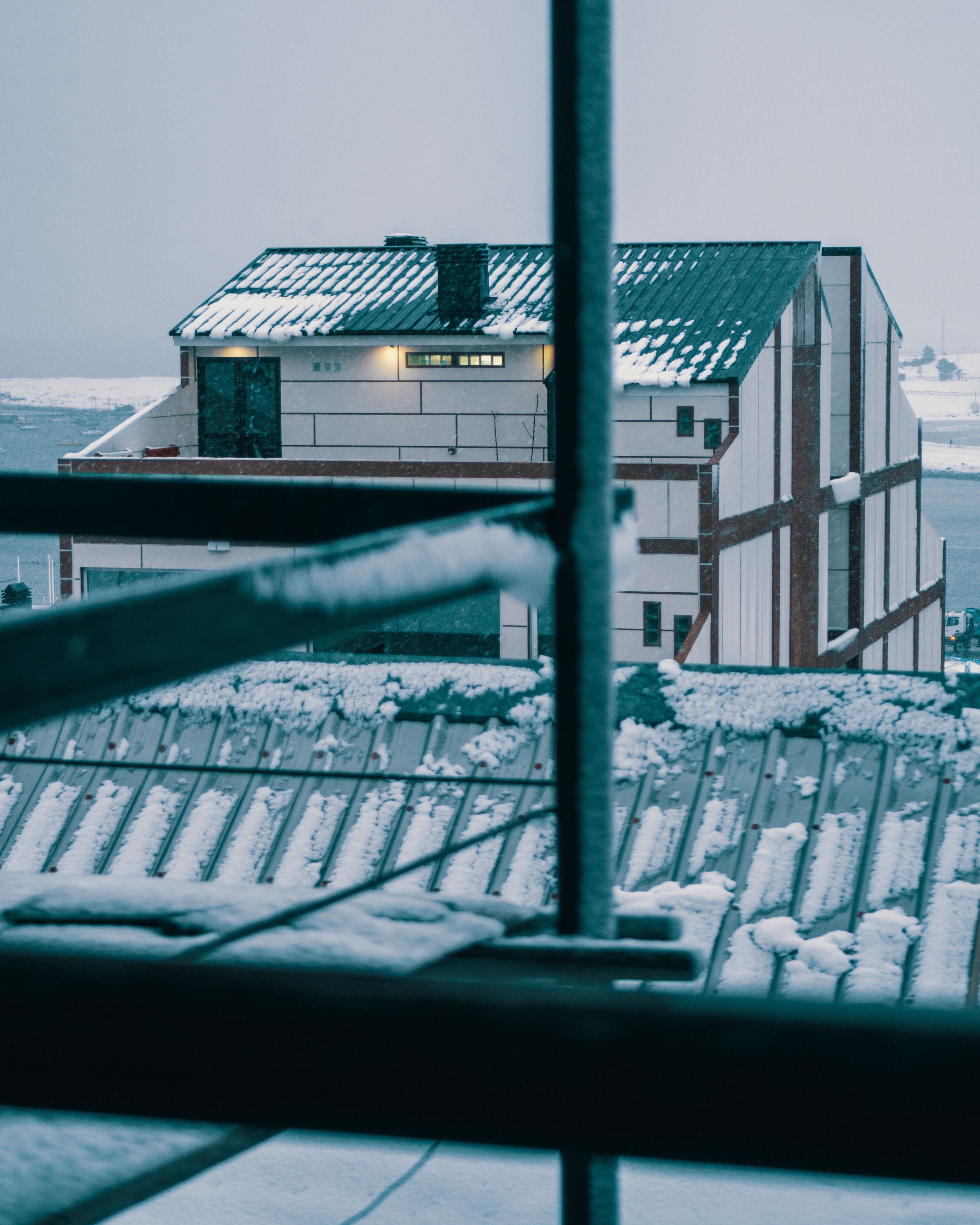
Ice dams, hailstorms, strong winds, and occasional snow or ice can create roofing problems for Tennessee homeowners during winter. These conditions can damage shingles, cause leaks, and lead to costly repairs if left unaddressed.
Taking preventive steps before winter arrives can help protect your roof and extend its lifespan.
In this guide, we’ll cover common winter roofing problems in Tennessee and explain how to prevent, identify, and manage them effectively.
Common Winter Roofing Problems in Tennessee
Ice Dams
Ice dams form when heat from your attic melts snow on the upper roof. The water runs down to the colder edge, refreezes, and traps more water behind it until it backs up under the shingles. Plenty of Middle Tennessee homes dealt with this after Winter Storm Fern in January 2026.
Icicles along the gutters are usually the first warning sign. A few are nothing to worry about, but a thick band of ice at the roof edge deserves a closer look.
Freeze-Thaw Damage
Shingles get stiff and brittle in the cold. Every freeze widens small cracks, and every thaw lets more water in. Flashing around chimneys, valleys, and skylights usually takes the worst of it.
Ice Storms and Sagging Gutters
Freezing rain is more common here than deep snow, and ice is heavy. Most gutters in Tennessee are lightweight because they rarely carry much more than rain. Once they fill with ice, they can sag or pull away from the fascia.
Wind and Fallen Limbs
Cold shingles crack and tear off in strong gusts more easily than they would in July. Ice-coated branches snap without much warning, and one heavy limb can punch right through the decking.
Cracked Pipe Boots and Attic Condensation
Rubber pipe boots that baked all summer often split once the cold hits, which usually shows up as a leak over a bathroom or kitchen. Poor attic ventilation causes a similar headache. Warm, moist air from the house condenses on the cold decking and drips like a slow leak.
Different Solutions to Protect Your Roof This Winter
Most winter damage starts as something small that could've been fixed in the fall. Here's where we'd put your time and money.
- Schedule a fall roof inspection: A professional roof inspection catches loose flashing, worn pipe boots, and lifted shingles before the first freeze. You'll also get dated photos, which help if you file an insurance claim later.
- Clean gutters after the leaves drop: Clogged gutters hold water that turns into ice. Late November or early December usually works best in Middle Tennessee.
- Improve attic ventilation and insulation: A cold attic is the best defense against ice dams. Soffit and ridge vents keep air moving, and good insulation keeps your home's heat off the roof deck. Here's more on why roof ventilation matters.
- Seal air leaks into the attic: Bathroom fans and dryer vents should exhaust outside, not into the attic. Check the gaps around recessed lights and the attic hatch too.
- Trim overhanging branches: Ice makes limbs heavy and brittle. Cut back anything that hangs over the roof.
- Book bigger repairs early: Most asphalt shingles need temperatures around 40 degrees or warmer for their sealant strips to bond. Planning a repair or replacement in the fall means you're not stuck waiting on a warm stretch in January.
- Ask about ice and water shield: If you're getting a new roof, this waterproof underlayment along the eaves and valleys adds protection right where ice dams do their damage.
How To Manage Roof Damage When Winter Hits
If something goes wrong in the middle of winter, how you respond matters as much as the repair itself.
- Stay off the roof: Ice and frost make it dangerous, and cold shingles break under your feet.
- Don't chip at ice dams: Hammers and ice picks damage shingles almost every time. A roofer can remove the ice safely or open a channel so water can drain.
- Contain leaks inside: Put a bucket under any drips and move valuables out of the way. If water is pooling in a ceiling bulge, call a pro before it spreads.
- Take photos right away: Document the damage inside and out from the ground. Clear, dated photos make the claims process much smoother.
- Get a temporary fix first: When it's too cold for permanent repairs, a professional tarp or patch keeps water out until the weather breaks.
Insurance can get tricky with winter damage. Many policies cover interior water damage from ice dams but may treat the roof itself differently, so review your coverage before you file. Our guide on how to file a roof insurance claim in Tennessee walks you through it.
Also be careful with out-of-town crews knocking on doors after a big storm. Stick with a local, licensed contractor who'll still be around if a warranty issue comes up, and use our checklist on how to choose a roofing contractor in Nashville.
Keep Your Roof Ready Before the Next Freeze
Tennessee winters don't have to end with a spring repair bill. A fall inspection, clean gutters, and a well-ventilated attic take care of most of the risk.
Intercept Roofing is a veteran-owned team serving Greater Nashville and Middle Tennessee. If you've spotted icicles, ceiling stains, or loose shingles, call us at (615) 586-6885 or request a free roof inspection.