
How to File a Roof Insurance Claim in Tennessee: Complete Guide 2026
July 7, 2026
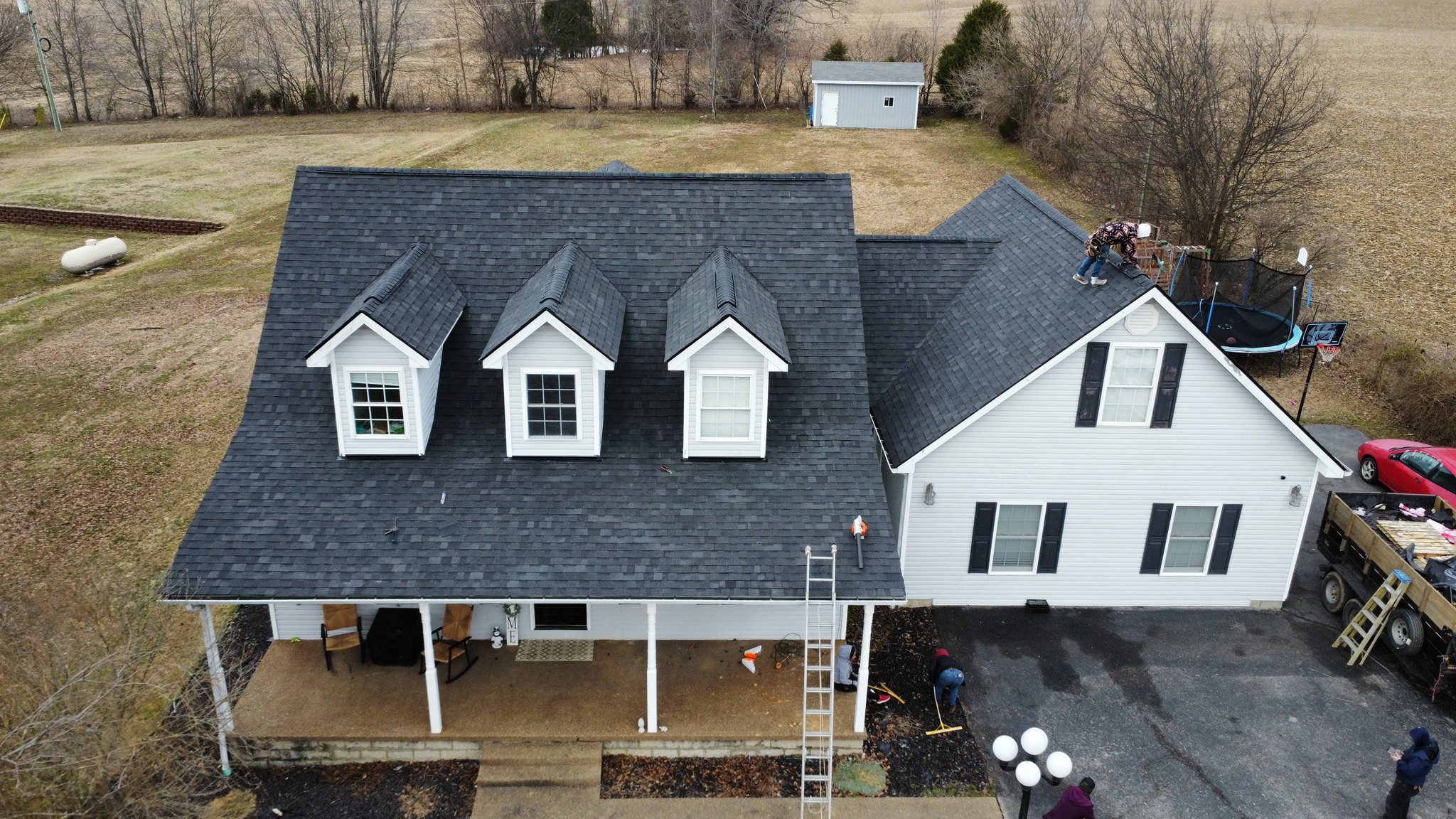
A properly installed and maintained asphalt shingle probably lasts more than a decade. Although a single hailstorm can damage your roof significantly. Therefore, it is important to file a roof insurance claim, especially if you are living in Tennessee, as hailstorms are pretty common there.
In this article, we will get you through how to file a roof insurance claim in Tennessee.
Step-by-Step: How to File a Roof Insurance Claim in Tennessee
1. Get a Free Roof Inspection First
Call a licensed local roofing contractor before you call your insurer. A qualified roofer can spot hail bruising, lifted shingles, and flashing problems that are hard to see from the ground, then give you a written report.
Start with a thorough roof inspection, so you know whether you have real damage before a claim ever lands on your record. If you are wondering what that runs, our guide to roof inspection cost in Tennessee breaks down typical pricing.
2. Document the Damage
Take clear photos and video from ground level, and write down the date of the storm while it is fresh. Be sure to capture:
- Missing, cracked, or lifted shingles
- Dented gutters, vents, and flashing
- Scattered debris and fallen branches
- Any interior water spots or ceiling stains
3. Review Your Policy
Confirm your coverage type, deductible, and any exclusions. Note your carrier's filing deadline, since many Tennessee policies require prompt notice within roughly one year of the date of loss.
4. File Your Claim
Contact your insurance company by phone or online. Give them the storm date, a description of the damage, and your inspection report. Write down your claim number and the name of the representative you spoke with.
Your claim goes directly to your private insurer, not the state. If a carrier wrongly denies or underpays a valid claim, though, you can escalate by filing a complaint with the Tennessee Department of Commerce and Insurance.
5. Meet the Adjuster With Your Roofer Present
Schedule the adjuster visit and have your contractor there. When both inspect the roof together, they agree on the scope faster, and fewer items slip through the cracks.
6. Review the Scope of Work
Go through the approved line items before any work begins. Insurers often miss code-required items, and your roofer can file a supplement to add them. Common examples include:
- Damaged decking
- Drip edge
- Ice and water shield
- Ventilation upgrades
Supplements are a normal part of the process, not a sign your claim is failing.
7. Schedule Your Repair or Replacement
Once the claim is approved and the settlement covers proper repairs, pick your roofer and get on the schedule. Our residential roofing crews usually complete a full replacement in one to two days. Keep in mind that you have the right to hire any contractor you choose. It is entirely your decision.
8. Collect Your Final Payment
On an RCV policy, your insurer releases the recoverable depreciation after the work is finished and documented. Make sure your contractor submits a final invoice so you receive the full amount you are owed.
Benefits of Roof Insurance
A good homeowner's policy is one of the smartest protections you have. When a covered peril like hail, straight-line wind, or a fallen tree damages your roof, your coverage steps in. Here are the main benefits.
Financial Protection
Your policy can absorb most of the cost of repair or replacement, leaving you responsible for only your deductible. That matters in a state where severe storms roll through year after year.
Catching Hidden Damage Early
A storm can weaken shingles long before water shows up on your ceiling. Filing a legitimate claim lets you address problems before they turn into interior leaks, rot, or mold.
Protecting Your Home's Value
Used correctly, your policy keeps small issues from becoming expensive ones and preserves the condition of your home's biggest asset.
What to Know Before Filing a Roof Insurance Claim
Before you pick up the phone to call your insurer, slow down and read your policy. Rushing to file can backfire, since that call may count as a claim on your record even when your roof has no real damage, and nothing gets paid out. Here is what to check first:
- Your deductible: The amount you pay out of pocket before coverage kicks in.
- ACV vs. RCV: Actual Cash Value pays the depreciated value of an aging roof, so you may cover a large gap yourself, while Replacement Cost Value pays the full replacement cost minus your deductible. Our financing options can help bridge any gap.
- Wind and hail terms: Many Tennessee carriers in 2026 use percentage-based deductibles and roof payment schedules tied to your roof's age, so read the fine print closely.
- Tennessee's Matching Law: If your shingles are discontinued and cannot be matched, your insurer may owe a full replacement to keep the roof uniform.
- Home vs. business: The same rules apply either way, though commercial roofing claims often involve larger scopes and flat-roof systems.
Knowing these details before you file puts you in a much stronger position when you sit down with your adjuster.
.png)