
Top 9 Storm Damage Roof Inspection Checklist for Nashville
August 31, 2026
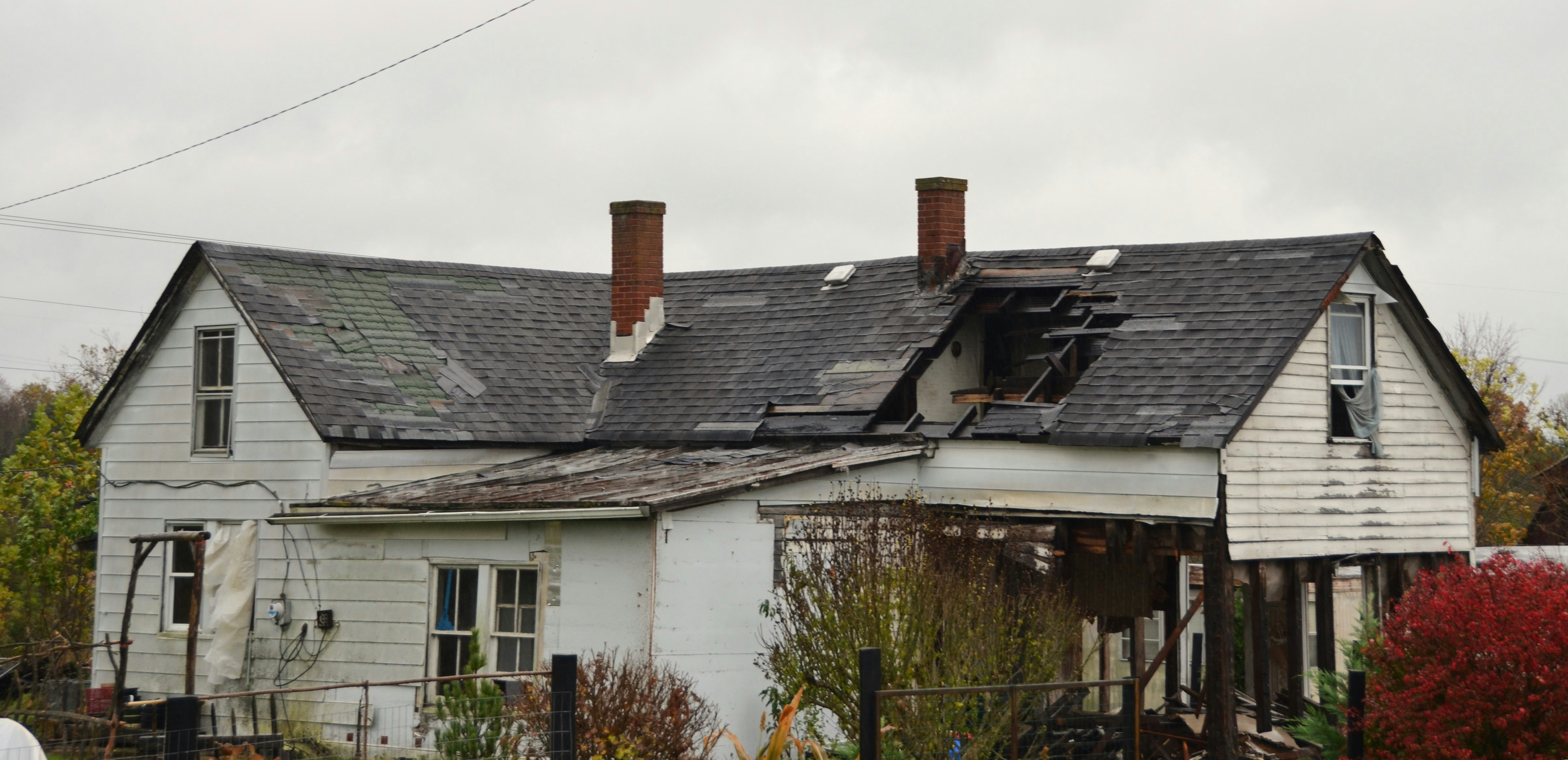
Storms are common in Nashville, with over 50 to 60 thunderstorms each year. That’s concerning for your roofs. Storms can severely damage your roofs and make it weak endure more storms. This will also affect your home's overall reputation and market value at the same time.
1. Start With a Ground-Level Walk Around Your Home
Before you look up, look around. Walk the full perimeter of your house and take note of what the storm left behind. You're building a picture of how strong the storm actually was, which matters later for your insurance claim.
Keep an eye out for:
- Pieces of shingle scattered in the yard or driveway
- Dented downspouts or bent gutter sections
- Broken tree limbs or debris resting against the house
- Hailstones still sitting on the ground, which help confirm hail size
2. Check Your Shingles for Damage
Shingles take the first hit in any storm. Using a pair of binoculars, scan the roof for shingles that are missing, cracked, curled, or lifted at the edges. Wind often peels shingles back near the ridges and corners first, so pay close attention there.
Dark spots where the granules have worn away are another warning sign. Those granules protect the shingle from the sun, and once they're gone, the shingle ages fast.
3. Look for Granule Loss in Your Gutters
This is the step most people skip. After a hailstorm, check your gutters and the base of your downspouts for a buildup of sandy, gritty granules. A handful of loose granules is normal wear. A pile of them usually means hail stripped the protective layer off your shingles, even when the roof looks fine from the ground.
4. Inspect the Soft Metals
Gutters, vent hoods, flashing, and the aluminum fins on your outdoor AC unit are all soft enough to dent easily. Because of that, they act like an early warning system. If you see round dents in these metal surfaces, hail almost certainly struck your roof with enough force to do damage. Adjusters look for these dents too, so photograph every one you find.
5. Examine the Flashing and Roof Penetrations
Flashing is the thin metal that seals the areas where your roof meets a chimney, a skylight, or a vent pipe. These joints are the most common place for leaks to start. Look for flashing that's bent, loose, lifted, or pulled away from the surface. Even a small gap here lets water sneak straight into your attic.
6. Move Your Inspection Inside the Attic
Some of the clearest evidence of storm damage is hiding in your attic. Head up during the day and turn the lights off. If you see pinpoints of daylight coming through the roof deck, you have openings that need attention right away.
While you're up there, run your hand along the underside of the deck and check for:
- Damp or darkened wood
- Wet or matted insulation
- A musty smell, which points to moisture that's been sitting
7. Watch for Interior Water Signs
Back downstairs, walk through your rooms and look at the ceilings and the tops of your walls. Storm damage often shows itself indoors before you'd ever spot it on the roof.
Common signs include:
- Yellow or brown water stains on ceilings
- Peeling paint or bubbling drywall
- Sagging spots on the ceiling
- Doors or windows that suddenly stick
8. Document Everything for Your Insurance Claim
Insurance companies want proof, and they want it quickly. Tennessee homeowners usually have a limited window to file, so aim to report the claim within 24 to 48 hours of the storm.
Build a clear record by:
- Taking wide shots and close-ups of every bit of damage
- Writing down the date the storm hit and saving a local weather report
- Keeping receipts for any tarps or emergency repairs
- Noting the location and size of each problem you found
Good documentation is often the difference between a claim that gets approved and one that drags on.
9. Call a Professional for a Full Inspection
A ground inspection tells you a lot, but it can't catch everything. A professional roof inspection catches the subtle hail bruising and lifted seals that are nearly impossible to see from below. Just as important, never climb onto your roof yourself, especially while it's wet or unstable. It isn't worth the risk.
A professional can also tell the difference between fresh storm damage and normal aging, which is exactly what your insurance adjuster will be checking.
Protect Your Nashville Home Before Small Problems Grow
A roof handles a lot in Middle Tennessee, and a quick inspection after every major storm is the simplest way to keep small issues from becoming expensive ones. Run through this checklist, keep good records, and bring in a pro when something looks off.
If you'd rather have expert eyes on it, Intercept Roofing offers free inspections across Greater Nashville and will walk you through every step, from the first look to the final repair. Reach out today and keep the inside of your home dry, one shingle at a time.

.png)